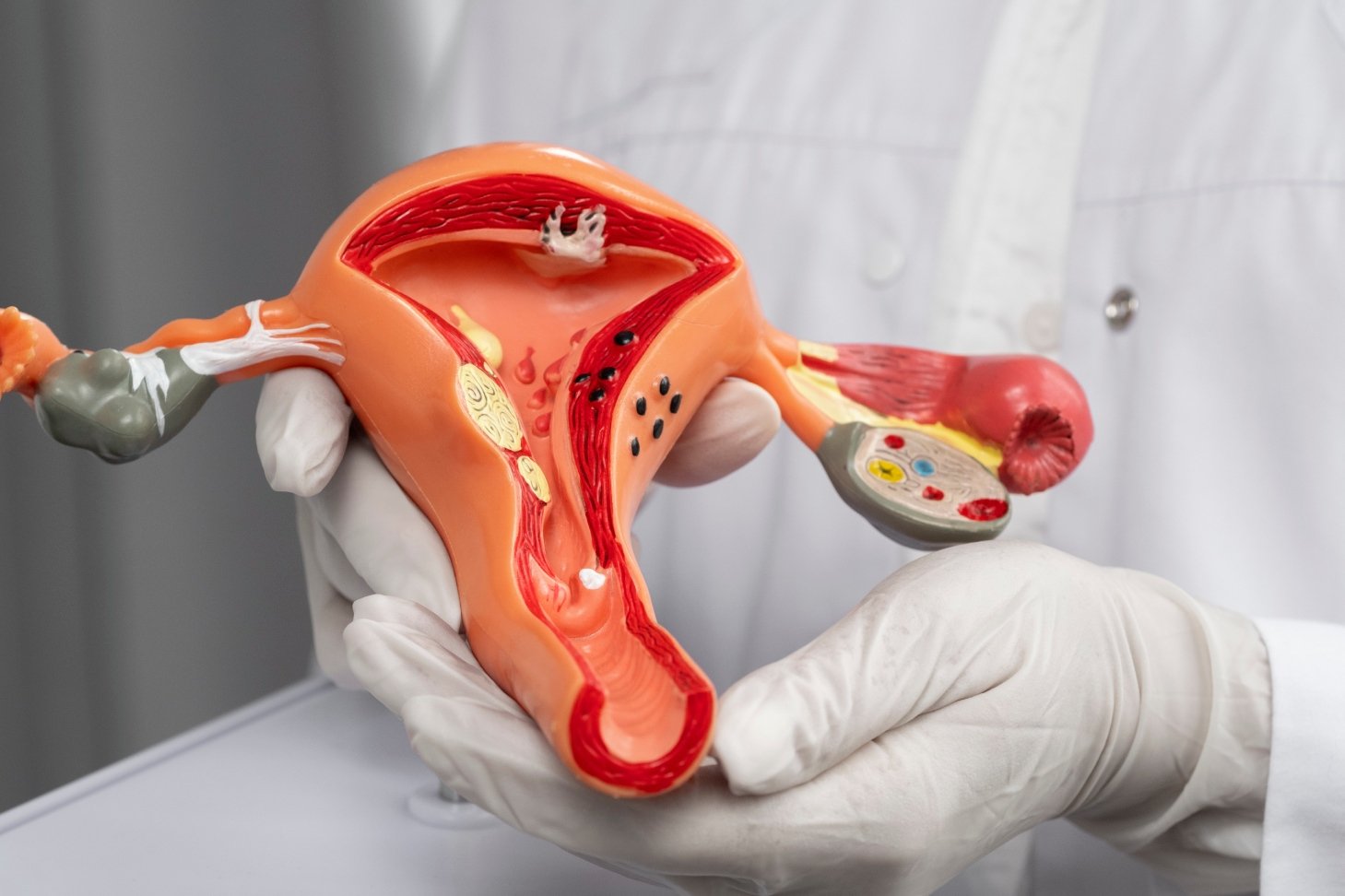
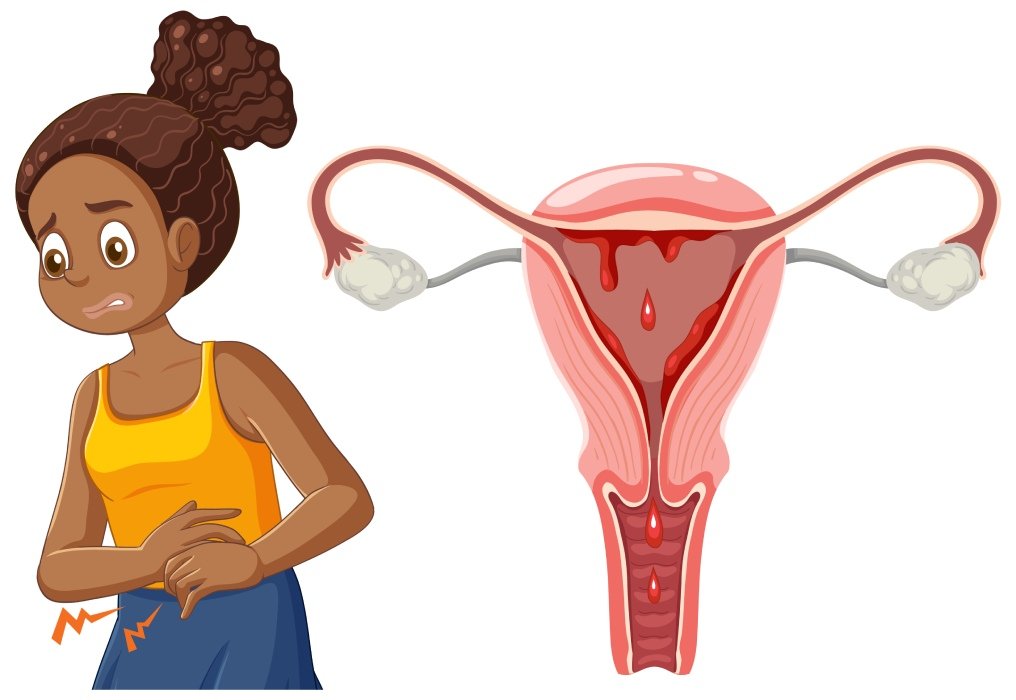
Ovarian Cancer
Cancer that forms in the tissues of an ovary — female reproductive glands that make eggs and female hormones
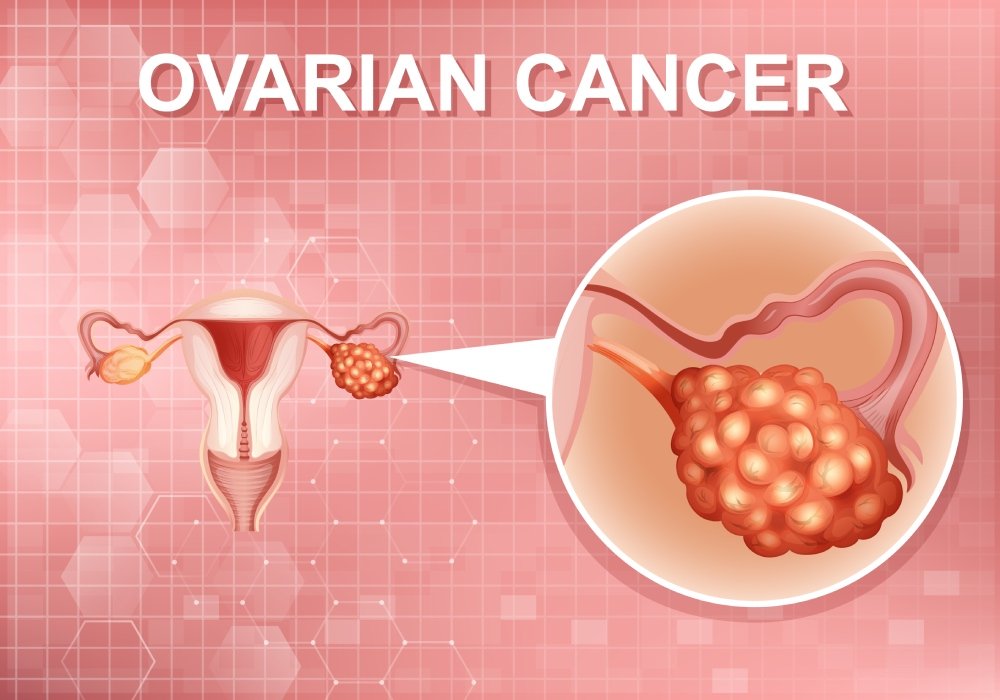
Ovarian Cancer
Cancer that forms in the tissues of an ovary — female reproductive glands that make eggs and female hormones
Fast Facts
- Number 1 deadliest gynecologic cancer with no reliable screening
- 1 in 75 women develop the disease in their lifetime
- Over 70% of women are diagnosed at an advanced stage
- Every woman is at risk of ovarian cancer. Every person with ovaries is at risk of ovarian cancer.
- Genetic mutation such as BRCA and strong family history may increase risk of ovarian cancer
Types of Ovarian Cancer
Ovarian cancers are now known to be several distinct diseases, classified according to the cells from which they arise, and further grouped by pathological factors such as how they appear under a microscope, and their behaviors.
Epithelial ovarian cancers, which arise from the surface of the ovary (the epithelium), are the most common ovarian cancers. Fallopian tube cancer and primary peritoneal cancer are also included within this designation. Subtypes include:
- High-grade serous ovarian cancer
- Low-grade serous ovarian cancer
- Clear cell carcinoma
- Endometrioid carcinoma
- Mucinous carcinoma
- Borderline endometrioid tumors
Germ cell ovarian cancers arise from the reproductive cells of the ovaries, and are rare. Subtypes include:
- Immature teratomas
- Dysgerminoma
- Yolk sac tumors
Stromal cell ovarian cancers, which arise from connective tissue cells, are very rare.
- Granulosa cell tumors
- Sertoli-Leydig tumors
Small cell carcinomas (SCCO) of the ovary are an extremely rare ovarian cancer subtype and it is not certain whether the cells in SCCO are from ovarian epithelial cells, sex-cord stromal cells or germ cells.
Signs And Symptoms
- Abdominal bloating or swelling.
- Quickly feeling full when eating.
- Weight loss.
- Discomfort in the pelvic area.
- Fatigue.
- Back pain.
- Changes in bowel habits, such as constipation.
- A frequent need to urinate.
Risk Factors of Ovarian Cancer
Increases Risk
- Family history of breast, ovarian, or colon cancer
- Genetic mutations, like BRCA1 and BRCA2, and Lynch Syndrome. Other genetic markers and mutations are being studied and discovered to be a link as well.
- Personal history of cancer or endometriosis
- Post-menopausal
- Increased age (40+)
- Obesity
Decreases Risk
- History of pregnancy and breastfeeding
- Use of oral contraceptives
Ovarian Cancer Prevention
- No reliable early detection test for ovarian cancer exists today
- Breastfeeding and birth control pills significantly lower the risk of ovarian cancer
- Learning and understanding family history & genetics is an important step towards prevention
- In the absence of a test, awareness is best
- Ask about ovarian cancer at your well woman visits
Testing and Detection
There is no routine, simple screening test to accurately detect ovarian cancer. Contrary to popular belief, the Pap smear (used for cervical cancer screening) will not detect ovarian cancer.
Because there is no routine ovarian cancer screening test, it is important to be aware of the disease and its symptoms. If you have signs and symptoms of ovarian cancer, speak to your doctor. The pathway to diagnosis includes:
- Pelvic exam
- Transvaginal or pelvic ultrasound
- CA-125 blood test
In some cases, doctors may also use a CT scan or PET scan as part of the diagnostic process. Biopsy (the removal of cells or tissues for examination by a pathologist) is the only definitive way to determine if a patient has ovarian cancer.
Genetics & Ovarian Cancer
About 20–25% percent of those diagnosed with ovarian cancer have a hereditary tendency to develop the disease. Of those cases, 10–15% are linked to an inherited genetic mutation in one of two genes which are called BRCA1 and BRCA2. Those genes are linked to both ovarian and breast cancer.
Those of Eastern European and Ashkenazi Jewish descent are at a higher risk of carrying BRCA1 and BRCA2 mutations.
Individuals with a family history of ovarian, breast or related cancers are encouraged to speak with their doctor or primary health care professional to find out if they are eligible for genetic counseling and testing.
CA125
Cancer antigen 125 (CA125) is a protein found on most ovarian cancer cells that is secreted into the bloodstream. A CA 125 test measures the amount of this protein in the blood. This test may be used to monitor certain cancers during and after treatment. In some situations, the test may be used to look for early signs of ovarian cancer in people with a very high risk of the disease.
CA125 can also be found on other normal and cancerous cells in the body, thus the test is not used by itself to diagnose ovarian cancer. Learn more about CA 125 from the Ovarian Cancer Research Alliance.
Treatment
Ovarian cancer treatments vary depending where you live in the world. Some of the therapeutics are not available or accessible in certain parts of the world. IGCS is working to assess the standards of care globally and the accessibility of therapeutics so we are armed with the information to advocate for change. The results of the IGCS study, Project GEOCC (Global Equality in Ovarian Cancer Care) will be released soon.
Standard treatment of ovarian cancer usually involves surgery, chemotherapy and/or targeted therapy. New types of treatment are being tested in clinical trials. Patients with any stage of ovarian cancer may want to think about taking part in a clinical trial if the trials are accessible to them. Today’s standard of care was once an experimental treatment accessible through clinical trials.
Surgery
Treatment generally involves removing both ovaries, the fallopian tubes, the uterus as well as nearby lymph nodes and a fold of fatty abdominal tissue (omentum) where ovarian cancer often spreads. Less extensive surgery may be possible if the cancer was diagnosed at a very early stage. For women with stage I ovarian cancer, surgery may involve removing one ovary and its fallopian tube.
Chemotherapy
After surgery, chemotherapy will likely be administered to kill any remaining cancer cells. Chemotherapy drugs can be injected into a vein or directly into the abdominal cavity or both. Chemotherapy may be used as the initial treatment in some women with advanced ovarian cancer.
Targeted Therapy
Targeted therapy is a type of treatment that uses drugs or other substances to identify and attack specific cancer cells without harming normal cells. Targeted therapies are usually referred to as maintenance therapies to prevent recurrence although some may be given with chemotherapy during initial treatment and then continued after chemotherapy.
- Monoclonal antibody therapy is a type of targeted therapy that uses antibodies made in the laboratory, from a single type of immune system cell. These antibodies can identify substances on cancer cells or normal substances that may help cancer cells grow. The antibodies attach to the substances and kill the cancer cells, block their growth, or keep them from spreading. Monoclonal antibodies are given by infusion. They may be used alone or to carry drugs, toxins, or radioactive material directly to cancer cells.
- Poly (ADP-ribose) polymerase inhibitors (PARP inhibitors) are targeted therapy drugs that block DNA repair and may cause cancer cells to die.
- Angiogenesis inhibitors are targeted therapy drugs that may prevent the growth of new blood vessels that tumors need to grow and may kill cancer cells.
Visit the National Cancer Institute (NCI) for more detailed information about the treatment of ovarian cancer.
- Treatment of Ovarian Epithelial, Fallopian Tube, and Primary Peritoneal Cancer
- Treatment of Ovarian Germ Cell Tumors
- Treatment of Ovarian Low Malignant Potential Tumors