Uterine Cancer
Cancer that starts in the uterus, womb, or endometrial lining of the uterus — also called endometrial or womb cancer
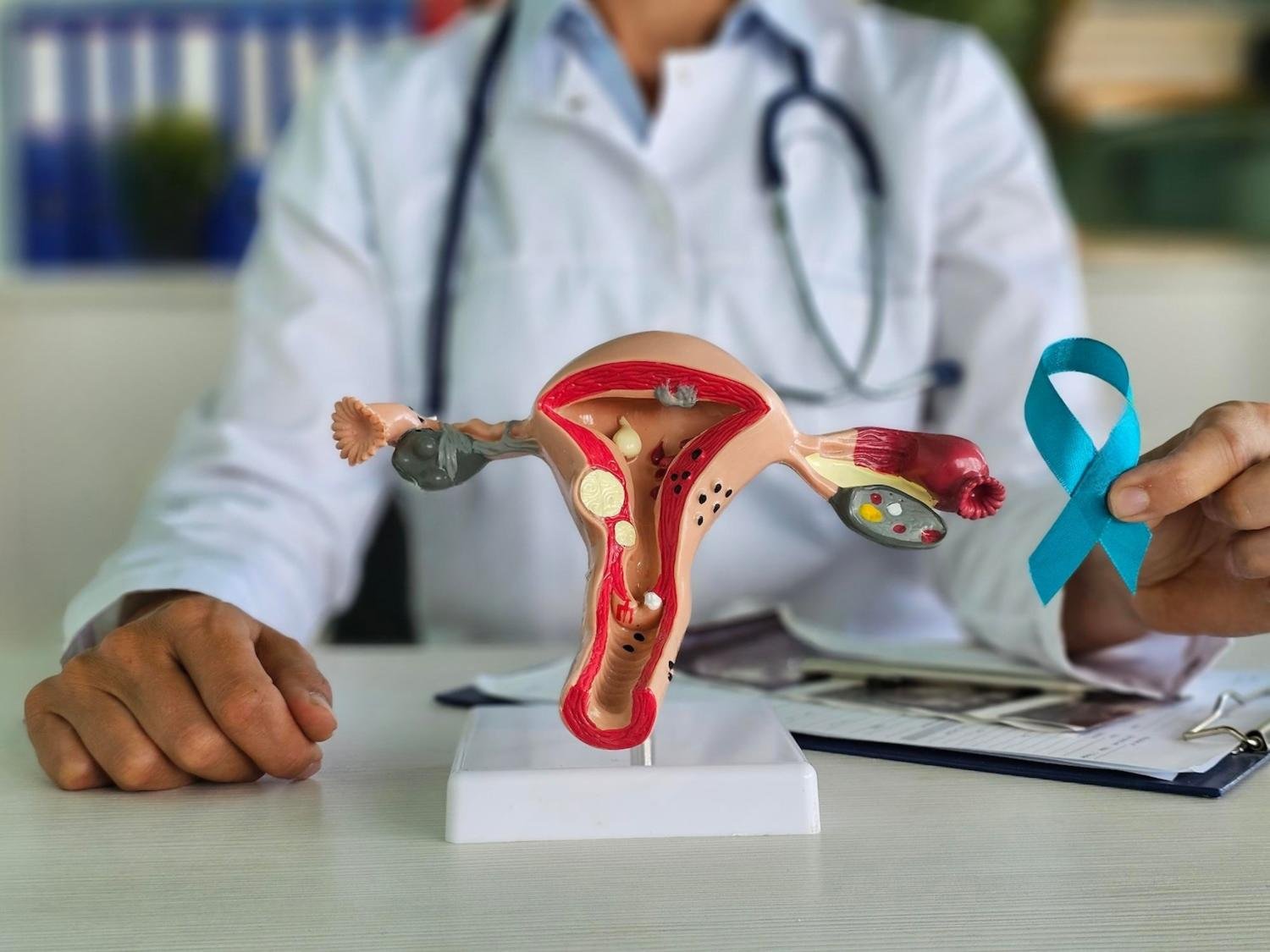
Uterine Cancer
Cancer that starts in the uterus, womb, or endometrial lining of the uterus — also called endometrial or womb cancer
Fast Facts
- Uterine cancer is the 6th most common cancer in women worldwide.
- In 2020, there were more than 417,000 new cases of uterine cancer and over 97,000 women died from the disease.
- Uterine cancer is the most common type of gynecologic cancer in high income countries.
- The incidence and mortality of uterine cancer has been increasing by almost 2% a year, with even sharper spikes among Asian, Black and Hispanic communities in the United States.
- The cause for the rapid rise in the incidence of uterine cancers is hypothesized to be that risk factors are on the rise, including high and rising rates of obesity and shifts in reproductive trends, such as having fewer children and delaying childbirth until later in life.
- Uterine cancer most frequently occurs in women over the age of 45, though it can affect younger women.
Types of Uterine Cancer
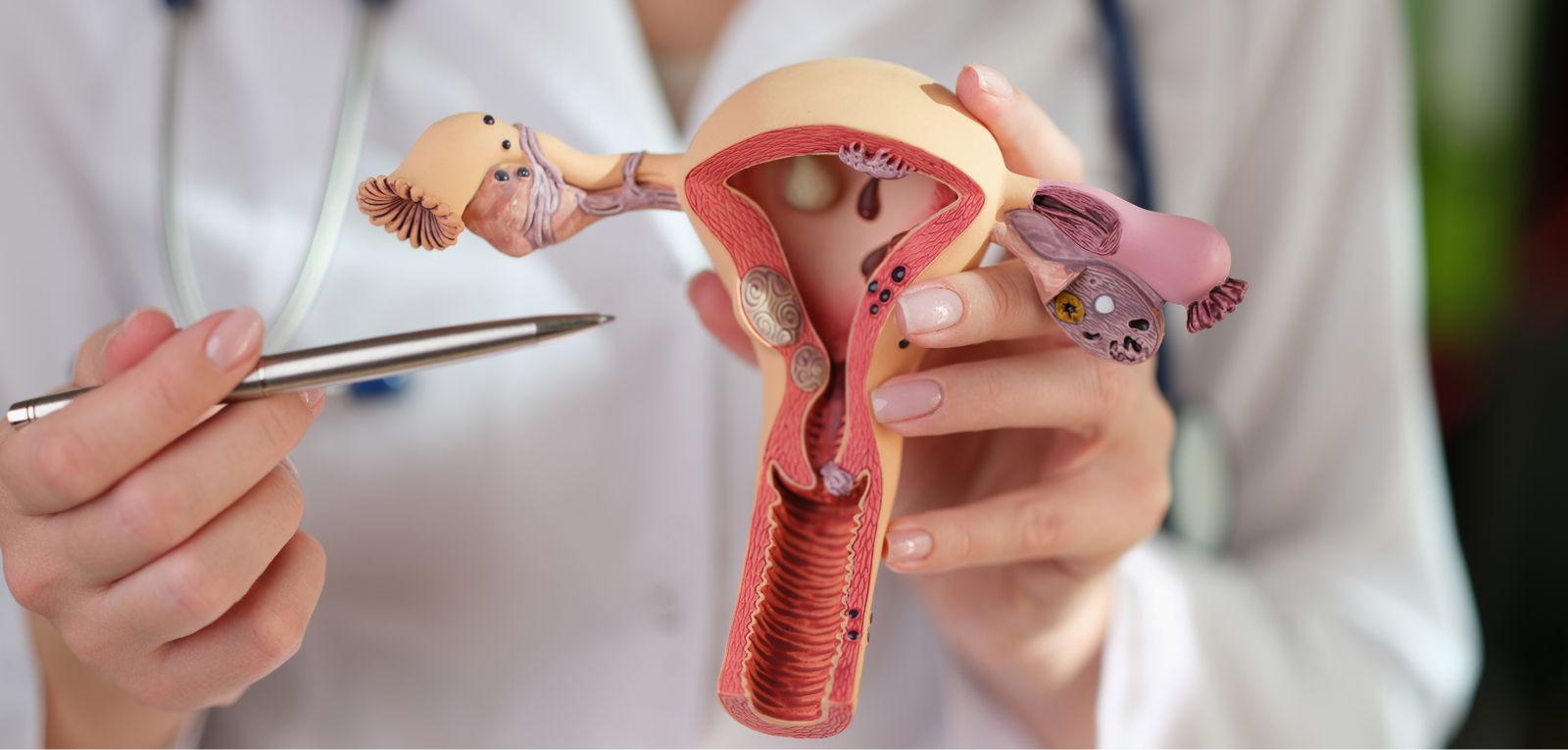
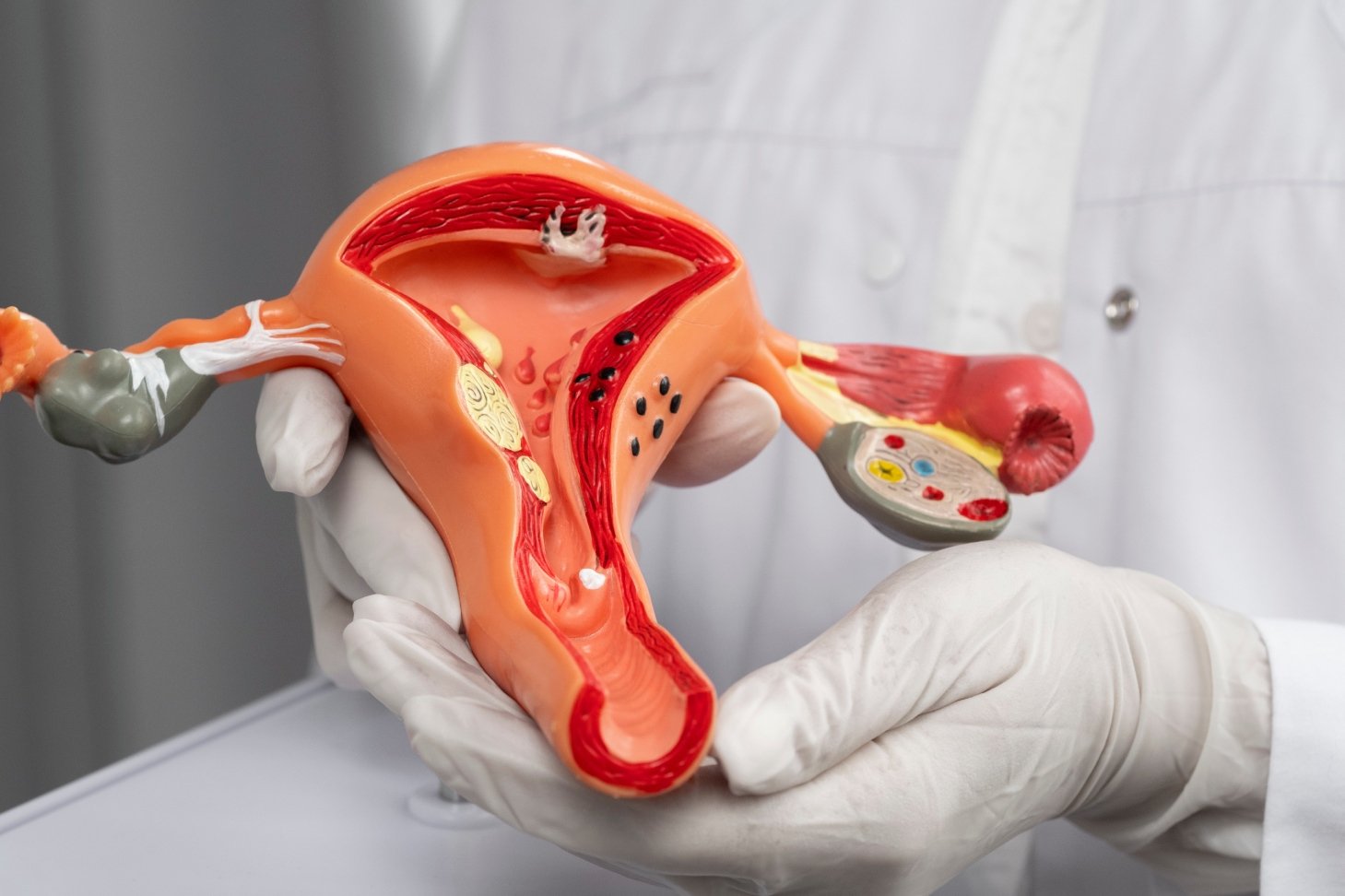
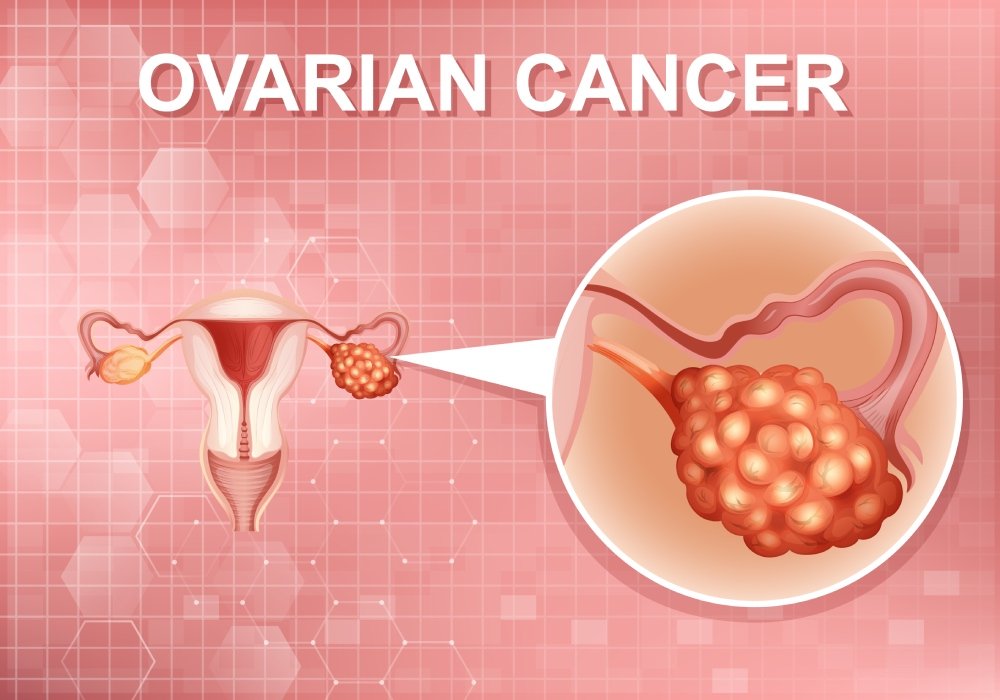
Uterine cancer is a disease in which cancer cells form in the tissues of the uterus, also known as the womb.
There are two primary types of uterine cancer:
- Endometrial cancer, which is the most common form of uterine cancer. Endometrial cancer begins in the inner lining of the womb, known as the endometrium.
- Uterine sarcoma forms in the muscles and supporting tissues of the uterus. It is rare in comparison to other uterine cancers.
Risk Factors of Uterine Cancer
- Age older than 50. Uterine cancer occurs most often after menopause.
- Obesity. Excess body fat alters the body’s balance of hormones.
- Trouble getting pregnant or having fewer than five periods in a year before starting menopause.
- Family history of or having Lynch Syndrome, an inherited syndrome that increases the risk of certain cancers. Those with close family members who have had uterine, colon, or ovarian cancer should discuss their risk with their doctor.
- Changes in the balance of female hormones in the body. The ovaries make two main female hormones — estrogen and progesterone. Fluctuations in the balance of these hormones cause changes in the endometrium.
- Taking estrogen by itself (without progesterone) for hormone replacement during menopause.
- Use of tamoxifen, a hormone therapy drug used to prevent and treat certain types of breast cancer.
- Existing medical conditions including
- Type 2 diabetes
- Metabolic syndrome
- Endometrial hyperplasia
- Polycystic ovarian syndrome
- Lynch Syndrome
Signs And Symptoms
These are the most common signs and symptoms of uterine/endometrial cancer. If you experience any of these signs, always talk to your doctor, especially if you have the risk factors.
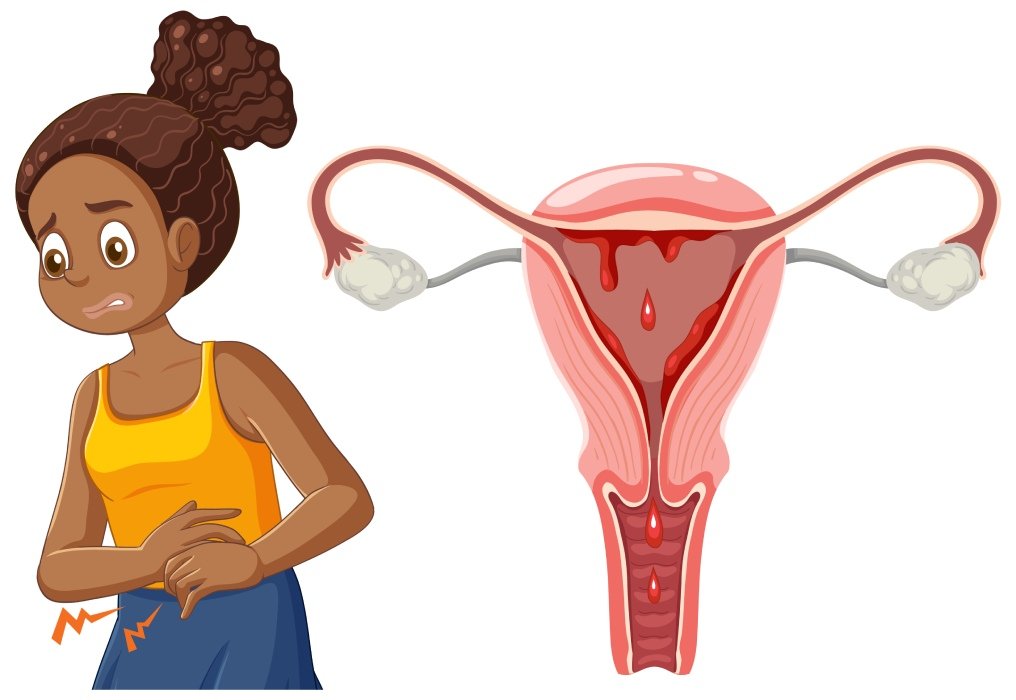
- Vaginal bleeding after menopause
- Bleeding between periods
- An abnormal watery or blood-tinged vaginal discharge
- Pelvic pain or pressure
Uterine Cancer Prevention
- Consider birth control: Speak with your doctor about taking birth control pills that combine estrogen and progesterone. Using a progestin-secreting intrauterine device (IUD) may also reduce risk. Discuss the risks and benefits of hormone replacement therapy.
- Know your family history: Women who have a hereditary cancer syndrome, such as Lynch syndrome, or a family history of uterine cancer or other cancers may be at higher risk. Knowing your genetics and family history may help you make decisions on screening regimens and prophylactic measures that may help prevent the disease or catch it early.
- Maintain a healthy weight: Obesity is a risk factor for developing uterine sarcoma and endometrial cancer. Regular exercise and maintaining a healthy weight may reduce your risk of developing these and other cancers.
- Manage your diabetes: Maintaining blood sugar levels may help reduce your risk of developing uterine cancer.
- See your doctor: Get regular checkups with a gynecologist and address issues such as abnormal bleeding or pain.
Treatment Options
Options for treating endometrial cancer will depend on the characteristics of cancer, such as the stage, the patient’s general health and preferences. If endometrial cancer is discovered early, removing the uterus surgically often cures endometrial cancer. Other treatments include radiation therapy, chemotherapy, hormone therapy and biologic therapy. New types of targeted therapy are being tested in clinical trials.