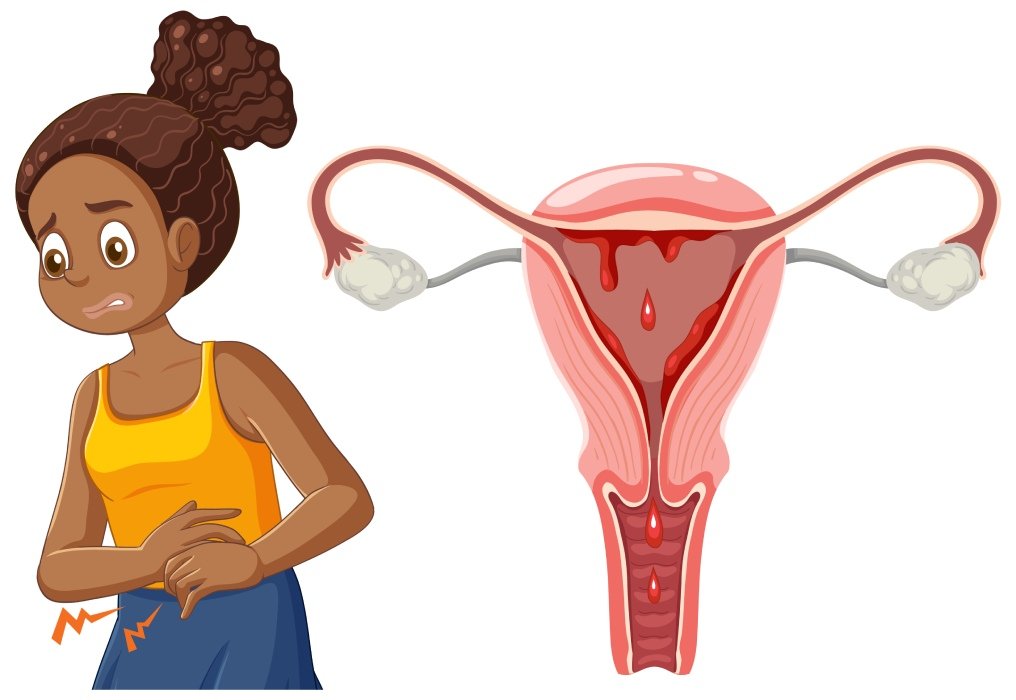
Vulvar Cancer
A rare disease in which malignant (cancer) cells form in the tissues of the vulva — the outer female genitalia.
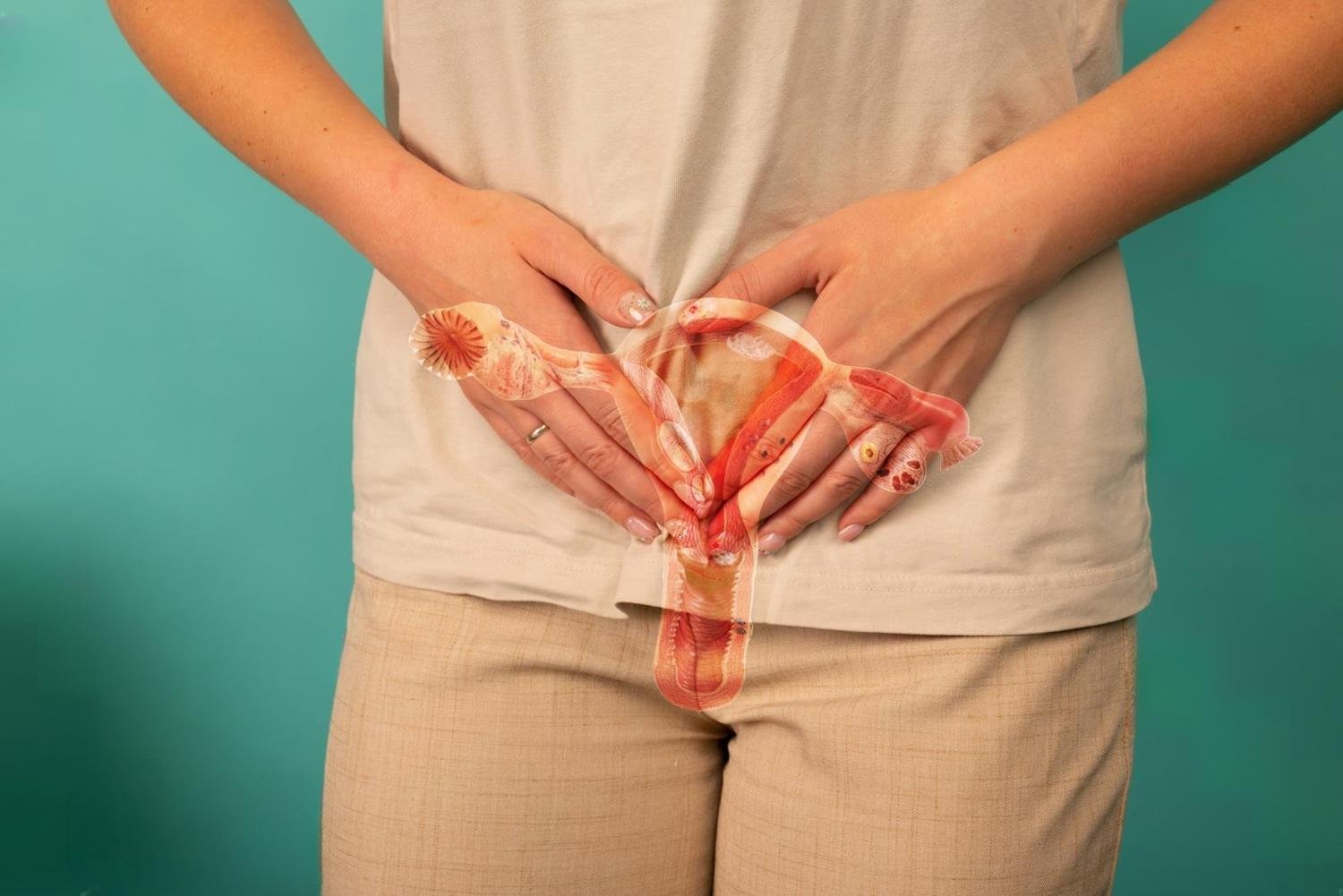
Vulvar Cancer
A rare disease in which malignant (cancer) cells form in the tissues of the vulva — the outer female genitalia.
Fast Facts
- Most vulvar cancers are a type of skin cancer. But occasionally, a tumor in the vulva may arise from glandular structures in that part of the body.
- When vulvar cancer is detected early, it is highly curable. The overall five-year survival rate when the lymph nodes are not involved is 90 percent.
- Regular gynecologic exams, no matter what your age, help ensure that vulvar cancer will be detected early.
- Approximately 45,000 new cases of vulvar cancer were reported worldwide in 2020 and about 17,000 died from the disease.
About Vulvar Cancer
The vulva is the external part of the female genitals, including the clitoris, the vaginal lips, the opening to the vagina, and the surrounding skin and tissue. Most vulvar cancers are squamous cell carcinoma.
This type of cancer begins in squamous cells (thin, flat skin cells) and is usually found on the vaginal lips. A small number of vulvar cancers are adenocarcinomas (cancers that begin in cells that make mucus and other fluids). This type of cancer is usually found on the sides of the vaginal opening.
Vulvar cancer usually forms slowly over a number of years. Abnormal cells can grow on the surface of the vulvar skin for a long time. This condition is called vulvar intraepithelial neoplasia (VIN).
Risk Factors
Although the exact cause of vulvar cancer isn't known, certain factors appear to increase your risk of the disease, including:
- Increasing age. The risk of vulvar cancer increases with age, though it can occur at any age. The average age at diagnosis is 65.
- Being exposed to human papillomavirus (HPV). HPV is a sexually transmitted infection that increases the risk of several cancers, including vulvar cancer and cervical cancer. Many young, sexually active people are exposed to HPV, but for most the infection goes away on its own. For some, the infection causes cell changes and increases the risk of cancer in the future.
- Smoking. Smoking increases the risk of vulvar cancer.
- Having a weakened immune system. People who take medications to suppress the immune system, such as those who've undergone organ transplant, and those with conditions that weaken the immune system, such as human immunodeficiency virus (HIV), have an increased risk of vulvar cancer.
- Having a history of precancerous conditions of the vulva. Vulvar intraepithelial neoplasia is a precancerous condition that increases the risk of vulvar cancer. Most instances of vulvar intraepithelial neoplasia will never develop into cancer, but a small number do go on to become invasive vulvar cancer. For this reason, your doctor may recommend treatment to remove the area of abnormal cells and periodic follow-up checks.
- Having a skin condition involving the vulva. Lichen sclerosus, which causes the vulvar skin to become thin and itchy, increases the risk of vulvar cancer.
Signs and Symptoms
Signs and symptoms of vulvar cancer may include:
- Itching that doesn’t go away
- Pain, tenderness, or burning
- Bleeding or discharge that isn’t from menstruation
- Skin changes, such as color changes or thickening
- A lump, wart-like bumps or an open sore (ulcer)
Prevention and Screening
Reduce your risk of sexually transmitted infections, including HPV. Use a condom every time you have sex. Condoms may reduce your risk of contracting HPV but can't fully protect against it. Get the HPV vaccine. Children and young adults may consider the HPV vaccine, which protects against the strains of the virus that are thought to cause the most cases of vulvar cancer.
Ask your doctor about pelvic exams. A pelvic exam allows your doctor to visually examine your vulva and manually examine your internal reproductive organs to check for abnormalities. Talk to your doctor about your risk factors for vulvar cancer and other pelvic cancers to determine the most appropriate screening exam schedule for you.
Treatment
Surgery
Vulvar cancer treatment usually involves surgery to remove the cancer and a small amount of surrounding healthy tissue. Depending on the stage of the disease, the extent of surgical removal may vary. The earlier vulvar cancer is diagnosed, the less likely an extensive surgery is needed for treatment.
- Removing the cancer and a margin of healthy tissue (excision).
- Removing a portion of the vulva (partial vulvectomy).
- Removing the entire vulva (radical vulvectomy).
If cancer has spread beyond the vulva and involves nearby organs, the doctor may recommend removing all of the vulva and the involved organs in a procedure called pelvic exenteration. The surgeon may remove the lower colon, rectum, bladder, cervix, uterus, vagina, ovaries and nearby lymph nodes depending where the cancer has spread.
Radiation therapy
Radiation therapy uses high-powered energy beams, such as X-rays, to kill cancer cells. Radiation therapy for vulvar cancer is usually administered by a machine that moves around the body and directs radiation to precise points on the skin (external beam radiation). Radiation therapy is sometimes used to shrink large vulvar cancers in order to make it more likely that surgery will be successful. If cancer cells are discovered in the lymph nodes, the doctor may recommend radiation to the area around the lymph nodes to kill any cancer cells that might remain after surgery.
Chemotherapy
For women with advanced vulvar cancer that has spread to other areas of the body, chemotherapy may be an option. Sometimes chemotherapy is combined with radiation therapy to shrink large vulvar cancers in order to make it more likely that surgery will be successful.